Popular Articles
 Home
02.10.2026
Home
02.10.2026
Decluttering by Frequency: A 5-Minute Zone System
Decluttering by frequency is a practical way to turn “my house is a mess” into a simple plan: start with the areas you touch every day, then work outward to the spots you rarely use. It works because clutter quietly drains focus, forces extra task-switching, and adds up in all the minutes you spend looking for things. In this article you’ll get a 5‑minute zone method you can use immediately, clear rules for deciding what stays, what goes, and where items belong, plus tips to avoid the common mistakes that make people redo the same cleanup over and over.
 Home
26.09.2026
Home
26.09.2026
Air Quality: What CO₂ Readings Actually Mean at Home
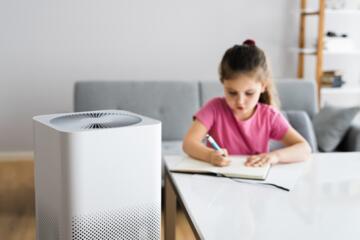
CO₂ monitors are great for showing how much carbon dioxide is building up indoors, but that single number doesn’t automatically tell you whether the air is “good” or “bad.” In this article, you’ll learn what CO₂ levels really indicate about ventilation, why readings can be confusing or misleading, and how to make sense of them alongside other clues like humidity, lingering odors, and particle (PM) sensor data. You’ll also get practical, real-life steps for testing your space, choosing sensible target ranges, and lowering exposure during normal home routines—sleeping, cooking, working, and having people over.
 Home
20.09.2026
Home
20.09.2026
Room Temperature: Comfort Ranges for Work and Sleep
Room temperature affects comfort, sleep quality, and how hard your body has to work to stay stable. This guide is for people setting thermostats, using fans or heaters, and trying to reduce restless nights or sluggish afternoons. You’ll learn practical comfort ranges for work and sleep, how clothing, airflow, humidity, and bedding change those ranges, and how to test changes safely over a week without chasing perfect numbers.
 Home
14.09.2026
Home
14.09.2026
Screen Distance: How Far Should Your Monitor Be?
How far you sit from your screen can quietly shape everything from eye fatigue and dry eyes to neck pain and how easily you can stay focused during reading, spreadsheets, or video calls. This guide is written for anyone using a monitor at home or at work who wants clear, evidence-based targets—not guesswork. You’ll see how viewing distance works together with font size, screen brightness, and glare, and you’ll get quick, simple checks you can do in minutes to judge your current setup. It also covers what to adjust first if you’re dealing with headaches, eye strain, or discomfort by the end of the day.
 Home
08.09.2026
Home
08.09.2026
Desk Height: Finding the Right Working Position
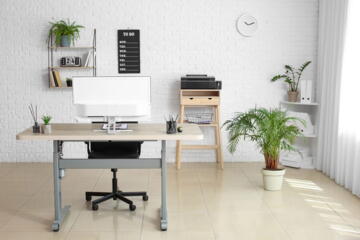
Desk height has a bigger impact on your body than most people realize—it can change how much strain ends up in your neck, shoulders, and wrists during everyday computer work. This guide is made for office workers, students, and remote learners who want a setup they can measure and adjust, not just “eyeball.” You’ll learn the most common positioning mistakes, how to dial in chair height and monitor height as a matched system, and how to evaluate comfort and fatigue over the next 1–2 weeks. It also offers practical workarounds for situations where your desk height is fixed and can’t be adjusted.
 Home
02.09.2026
Home
02.09.2026
Home Noise: dB Levels That Disrupt Concentration
Home noise affects attention, sleep, and stress through sound intensity, frequency, and timing. This guide helps readers interpret decibel (dB) levels in real rooms, connect common household sources to likely disruption, and choose practical fixes. You’ll learn typical dB ranges for everyday sounds, how to measure noise at home, what targets to aim for during work or study, and when to escalate to building or medical help.
 Home
27.08.2026
Home
27.08.2026
Bedroom Light: Lux Levels That Affect Evening Wind-Down
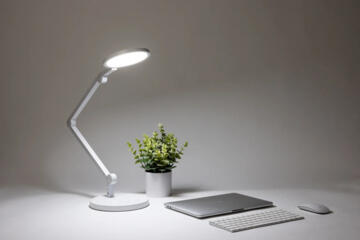
Bedroom lighting affects how quickly your body shifts toward sleep. This guide explains how lux levels, color temperature, and light timing influence alertness and melatonin signaling. It’s for people who want practical, measurable changes without guessing. You’ll learn what lux targets to aim for in the bedroom, how to measure light with common tools, how to choose bulbs and dimming settings, and how to avoid common setup mistakes that keep you wired.
 Home
21.08.2026
Home
21.08.2026
Lighting Temperature: 2700K vs 4000K for Daily Routines
Lighting “temperature” has a bigger impact than most people realize—it can change the mood of a room, how alert you feel, and how easily you settle down at night. In this guide, we break down what 2700K and 4000K actually look like in everyday life, and when each one tends to work best for home routines, focused work, and evening wind-down. You’ll also learn how to choose color temperature based on the task (not just the bulb label), why brightness and the time of day often matter more than the Kelvin number, and simple, safe ways to test and adjust your lighting at home without overhauling everything.
 Home
13.08.2026
Home
13.08.2026
Warm Decor Tips to Prepare Your Home for Winter
Warm decor helps winter comfort by reducing drafts, managing humidity, and making rooms feel cozier without unsafe shortcuts. This guide is for renters and homeowners who want practical, measurable changes before cold weather sets in. You’ll learn how textiles, lighting, color, and window treatments affect perceived warmth, how to avoid moisture and fire risks, and what to check room by room so your home stays comfortable as temperatures drop.
 Home
07.08.2026
Home
07.08.2026
Workspace Styling Ideas That Make You Want to Get to Work
This article helps people design a work space that supports focus, comfort, and consistent routines. It explains common styling mistakes, the role of lighting, ergonomics, and noise control, and how to choose practical changes without overspending. You’ll learn specific layout and setup ideas, realistic outcomes to expect, and a checklist for deciding what to change first. Case examples show how different home-office constraints affect results.