Popular Articles
 Habits
28.09.2026
Habits
28.09.2026
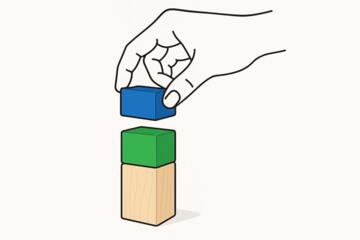
One Habit at a Time: When Stacking Becomes Too Much
Habit stacking means attaching a new behavior to an existing routine, like “after brushing teeth, floss.” This article is for people who track habits and want steady progress without burnout. It explains why stacking can stall when too many changes hit at once, how dependencies like sleep, stress, and environment affect follow-through, and how to choose a realistic pace. You’ll learn practical ways to audit your stack, set measurable triggers, and recover when consistency drops.
 Habits
22.09.2026
Habits
22.09.2026
Morning vs Evening Habits: Which Has Better Adherence?
Morning and evening habits differ because light exposure, sleep timing, and daily constraints change how easy routines feel. This article helps readers compare adherence patterns for study, exercise, and health behaviors. You’ll learn what research suggests about circadian rhythms and behavior design, plus how to test a routine without guessing. It also covers common failure modes and practical checklists for online learning schedules.
 Habits
16.09.2026
Habits
16.09.2026
Habit Failure: What to Change After a Missed Day
Missing a day can feel like proof that a habit is broken, but most failures come from predictable gaps: unclear cues, unrealistic schedules, or friction that grows when you skip once. This article is for readers building routines for sleep, movement, hydration, study, or medication. You’ll learn how to diagnose the failure, adjust the plan for the next 24 hours, and track recovery without guilt. Expect practical steps, examples, and a checklist to decide what to change.
 Habits
10.09.2026
Habits
10.09.2026
Implementation Intentions: The If-Then Habit Method
Implementation intentions are simple “if–then” plans that help you follow through when motivation dips. Instead of relying on willpower, you decide ahead of time what you’ll do in a specific situation—like, “If it’s 7 a.m. and I’m in the kitchen, then I’ll make coffee and review flashcards for 10 minutes.” This article shows how to write if–then statements that fit your real triggers, how to plug them into your daily routine and work systems, and how to test whether they’re actually working. It also covers the limits of the method, especially when your schedule or environment changes.
 Habits
04.09.2026
Habits
04.09.2026
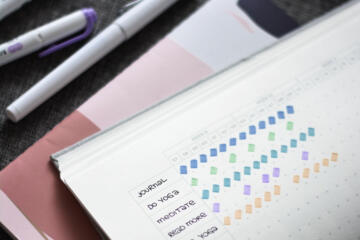
Habit Tracking: Frequency vs Streaks vs Consistency
Habit tracking helps you notice patterns in sleep, exercise, hydration, and routines. This guide explains how frequency counts, streaks motivate, and consistency predicts real behavior. It’s for people who track habits in apps or journals and want fewer false conclusions. You’ll learn how to choose a metric, interpret missed days, and design a tracking plan that matches your goal, including practical examples and a decision checklist.
 Habits
29.08.2026
Habits
29.08.2026
Cue vs Trigger: What Actually Starts a Habit
Habits often feel automatic, yet they start with specific cues and triggers that shape what you do next. This article explains how cues differ from triggers, why the same routine can start for different reasons, and how to map your own behavior patterns. You’ll learn practical ways to identify your cue, test trigger hypotheses, and design a habit loop that fits real life—useful for anyone tracking routines, sleep, exercise, or medication habits.
 Habits
23.08.2026
Habits
23.08.2026
Habit Latency: Why Actions Take Longer to Become Automatic
Habit latency describes the delay between deciding to change and seeing automatic behavior. This guide helps readers who want steadier routines understand why repetition sometimes feels slow, what mental and environmental factors create the lag, and how to measure progress without guessing. You’ll learn practical ways to shorten the delay using cues, friction control, and feedback loops, plus common mistakes that stall habits and how to adjust when results lag.
 Habits
17.08.2026
Habits
17.08.2026
Habit Friction: How to Measure and Reduce It
Habit friction is the extra effort, delay, or mental load that slows a behavior you want. This guide is for people tracking routines, managing health-related habits, or trying to change sleep, movement, or eating patterns. You’ll learn how to measure friction with simple time-and-step metrics, how to spot hidden dependencies, and how to reduce friction using environment design and realistic experiments. Includes examples, a checklist, common mistakes, and a short FAQ.
 Habits
11.08.2026
Habits
11.08.2026
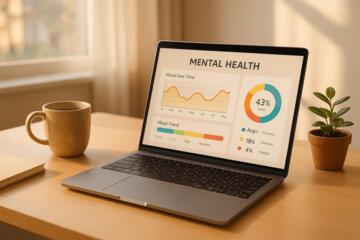
Smart Ways to Track Progress Without Overthinking It
Tracking progress helps people change habits without guessing. This guide is for readers who want reliable, low-friction methods for monitoring routines, mood, sleep, or fitness without turning every day into a data project. You’ll learn how to choose a few measurable signals, set review rules, and avoid common tracking traps like perfectionism and metric hopping. Practical examples show how to review trends and adjust plans with less mental noise.
 Habits
05.08.2026
Habits
05.08.2026
Staying Consistent on Days When You Have Zero Drive
Consistency breaks down on low-drive days, even when you know what to do. This article is for people building health habits, routines, and self-care plans who want practical ways to keep progress when motivation disappears. You’ll learn why “drive” fails, how habit systems and environment cues work, and how to design minimum-effort days. You’ll also get examples, a decision checklist, and common mistakes to avoid.